


-

Add: HeBei ShengShi HongBang Cellulose Technology CO.,LTD.
-

Email
13180486930@163.com -

CONTACT US
+86 13180486930



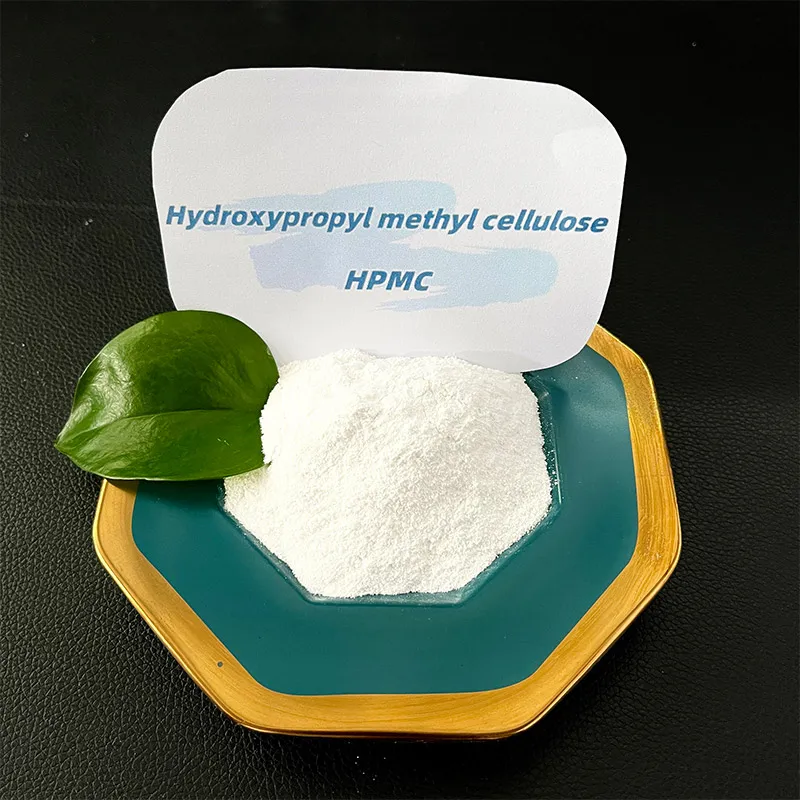
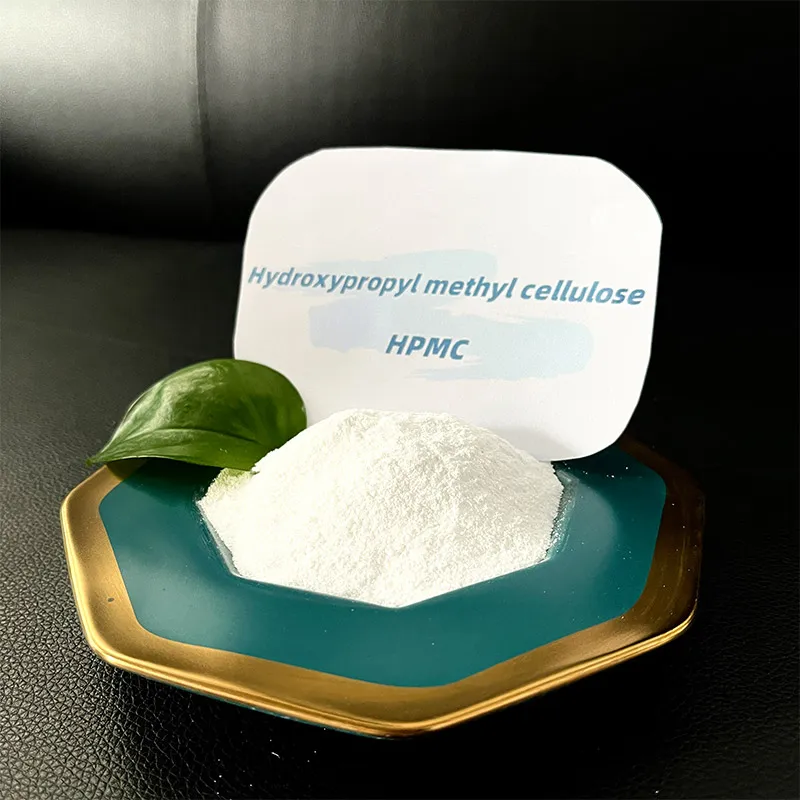
Exploring HPMC E15 A Versatile Excipient in Pharmaceutical Applications Hydroxypropyl Methylcellulose (HPMC) is widely acknowledged in the pharmaceutical industry for its multifunctional properties. Among its various grades, HPMC E15 has gained prominence due to its unique characteristics, making it an essential excipient in various dosage forms. This article delves into the composition, characteristics, applications, and advantages of HPMC E15 in pharmaceutical formulations. Composition and Characteristics HPMC is a semi-synthetic polymer derived from cellulose, a natural polymer found in plant cell walls. The E15 designation refers specifically to a grade with a viscosity of 15,000 centipoise when dissolved in water. This viscosity is conducive for many applications, as it provides a balanced option between solubility and gel-forming ability. HPMC E15 exhibits several critical characteristics, such as high thermal stability, excellent compatibility with a variety of active pharmaceutical ingredients (APIs), and non-ionic nature. This non-ionic behavior makes it an attractive choice for formulations where ionic interactions may affect the stability or solubility of components. Furthermore, HPMC E15 is soluble in cold and hot water, allowing for flexibility in formulation processes. Applications in Pharmaceutical Formulations HPMC E15 plays a multifaceted role in various pharmaceutical applications. One of its primary uses is as a film-forming agent in sustained-release formulations. Due to its gel-forming properties upon contact with moisture, it can control the release profile of APIs, thereby ensuring a prolonged therapeutic effect. This is especially beneficial in developing dosage forms for chronic conditions that require steady medication levels. Moreover, HPMC E15 serves as a thickening agent and stabilizer in suspensions and emulsions. It enhances the viscosity of formulations, preventing sedimentation of solid particles and enabling uniform dispersion. This is particularly crucial for ensuring consistent dosages in liquid formulations. By improving the stability of suspensions, HPMC E15 contributes significantly to the overall efficacy and safety of the product. hpmc e15 In tablet formulations, HPMC E15 functions as a binder and a disintegrant. Its hydrophilic nature allows it to absorb water readily, facilitating the disintegration of tablets upon ingestion. This characteristic is vital for fast-dissolving tablets, where rapid release and absorption are desired. Additionally, HPMC E15 is employed in ocular formulations, as its viscosity and bioadhesive properties help prolong the contact time of the drug with the eye's surface. This is particularly beneficial in treating dry eye syndrome and other ocular conditions, ensuring that the medication remains in contact with the target site for an extended period. Advantages of HPMC E15 The utilization of HPMC E15 in pharmaceutical formulations offers several advantages. Firstly, its wide-ranging solubility makes it suitable for a variety of formulations, catering to the diverse needs of patients. Secondly, its biodegradable nature aligns with the growing demand for sustainable excipients in pharmaceutical manufacturing. Furthermore, HPMC E15 is generally regarded as a safe compound, with minimal toxicity associated with its use. This safety profile encourages its adoption in various pharmaceutical applications, ranging from over-the-counter medications to prescription drugs. Lastly, HPMC E15 allows for enhanced patient compliance. The formulations utilizing HPMC tend to exhibit improved mouthfeel and taste masking properties, which contribute to a better overall experience for patients. Conclusion HPMC E15 stands out as a versatile excipient in the pharmaceutical industry, demonstrating significant benefits across various applications. Its unique properties and advantages make it an essential component in the development of effective, safe, and patient-friendly formulations. As the pharmaceutical landscape continues to evolve, the importance of reliable excipients like HPMC E15 will remain paramount, ensuring that patients receive optimal therapies tailored to their specific health needs. The ongoing research and development of HPMC E15 promise to unveil new potentials, driving innovation in pharmaceutical formulations for years to come.
- 40000tons

Production
- 20+years

Experience
- 5000+㎡

Acreage

-

HPMC cellulose, also known as Hydroxypropyl Methylcellulose, is a versatile and essential compound that has gained widespread recognition across various industries. Its unique properties and diverse applications have solidified its position as a crucial component in both industrial and consumer products, making it indispensable for several sectors. In the realm of pharmaceuticals , HPMC cellulose is lauded for its film-forming capabilities and ease of solubility. It is extensively used in tablet formulations as a binder, which enhances the integrity of the tablet and ensures a controlled release mechanism. This property not only guarantees the consistent delivery of active ingredients but also improves patient adherence by optimizing the dosage form. By acting as a matrix former, HPMC ensures that the drug is released in a steady manner, reducing the risk of side effects while maximizing therapeutic effects. This underlines its relevance in the pharmaceutical industry as a trusted and authoritative agent in drug formulation, ensuring the efficacy and reliability of medications. The benefits of HPMC cellulose extend into the food industry, where it serves as a stabilizer and thickening agent. Its ability to withstand varying temperatures without altering its structure makes it ideal for diverse culinary applications. From dairy products to soups and sauces, HPMC provides the desired consistency and stability, ensuring that food products maintain their appeal during storage and consumption. Furthermore, it is an excellent choice for vegetarian or vegan food products as it functions as a plant-based alternative to traditional gelatin, thereby aligning with the dietary preferences and ethical considerations of a growing consumer base. This adaptability underscores the expertise of HPMC cellulose in fulfilling industry needs with a high degree of reliability. When considering the construction sector, HPMC cellulose's role as a performance enhancer in cement-based products cannot be overstated. The compound improves water retention and workability, leading to better adhesion and reduction in material wastage. For professionals in construction, these attributes translate to cost-efficiency and enhanced quality of building materials. Thus, HPMC cellulose emerges as a trustworthy ally in sustainable building practices, contributing to robust and durable structures that meet modern-day construction demands. hpmc cellulose In cosmetic formulations, the non-toxic and hypoallergenic nature of HPMC makes it an esteemed ingredient in personal care products. Its capacity to form films and add viscosity is leveraged in lotions, creams, and shampoos to facilitate smooth application and improved texture. Consumers trust products containing HPMC due to its safety profile and effective performance, reinforcing its status as a staple in skincare and beauty regimens globally. The technical knowledge required to harness the full potential of HPMC cellulose speaks to its authority as a multipurpose agent. Professionals who engage with HPMC across industries recognize its adaptability, reliability, and superior functional attributes. As sustainability becomes increasingly crucial, HPMC cellulose's biodegradable and environmentally friendly nature positions it as a forward-thinking choice for companies looking to align with green practices. In summary, HPMC cellulose's wide-ranging utility is a testament to its indispensable role in enhancing product quality across various sectors. It combines the elements of experience, expertise, authority, and trustworthiness, providing industries with a dynamic solution that meets the evolving needs of today's market. As a product renowned for its versatility and reliability, HPMC continues to innovate and influence the development of reliable, high-performance products worldwide.
-

The emergence of HPMC nasal spray as a potential tool in the fight against COVID-19 has garnered significant attention from healthcare professionals, researchers, and the general public alike. Hydroxypropyl methylcellulose, or HPMC, is a versatile compound widely used in the pharmaceutical industry for its binding properties and safety profile. Its introduction into nasal spray formulations presents a novel approach to mitigating the risk of COVID-19 transmission and providing an additional layer of protection alongside vaccines and other preventive measures. HPMC Nasal Spray A Clinical Insight Amid the pandemic, various studies have explored the efficacy of nasal sprays in preventing viral infections. The primary function of an HPMC nasal spray is to form a protective barrier on the nasal mucosa . This barrier effectively traps viral particles and aids in their removal, reducing the likelihood of them entering the respiratory system. The spray's mechanism relies on the unique properties of HPMC, which allows it to adhere to the nasal lining and create a physical shield without causing irritation or adverse reactions. Researchers exploring HPMC nasal sprays have noted their potential in lowering viral load in the nasal passages, a critical site for initial coronavirus infection. Several clinical trials have been conducted to determine the spray’s effectiveness in real-world scenarios, offering promising results in reducing transmission rates among individuals exposed to COVID-19. Expert Opinions and Guidance Leading virologists and epidemiologists emphasize that while HPMC nasal sprays are not a standalone solution to COVID-19, they can be an effective adjunct to vaccination, mask-wearing, and social distancing. The spray’s ease of use and lack of systemic absorption make it a suitable option for individuals who seek additional protection, especially in high-risk environments such as healthcare settings, crowded public spaces, and among vulnerable populations. Medical professionals recommend the strategic use of HPMC nasal sprays as part of a comprehensive COVID-19 management plan. The spray should be used according to the manufacturer's instructions, typically involving application before exposure to crowded places and regular reapplication for continued efficacy. Building Trust Through Proven Safety hpmc nasal spray covid A key factor contributing to the trustworthiness of HPMC nasal sprays is their safety profile. Derived from cellulose, HPMC is non-toxic, non-allergenic, and widely recognized as safe for use in pharmaceutical and food products. Its application in nasal sprays is supported by extensive research demonstrating minimal risk of side effects, making it suitable for broad public use, including children and individuals with underlying health conditions. Moreover, reputable health organizations and regulatory bodies have begun acknowledging the potential advantages of barrier nasal sprays in respiratory viral protection. Although official endorsements are still emerging, the consistent findings across various studies highlight the spray's potential benefits and safety, encouraging more robust exploration and use. Real-World Experience Testimonials and User Satisfaction Users of HPMC nasal sprays have reported a sense of added security when engaging in daily activities, particularly in scenarios where social distancing is challenging. Many appreciate the spray's non-invasive nature and ease of integration into their routine preventive measures. Testimonials often mention the spray's convenience, noting its unobtrusive application and absence of any noticeable discomfort or side effects. Additionally, users have expressed satisfaction with the spray's perceived effectiveness, reinforcing its credibility as a practical preventive measure. However, they also acknowledge the importance of complementing its use with vaccination and other recommended practices for holistic COVID-19 protection. Concluding Perspective The innovation behind HPMC nasal sprays represents a significant step forward in respiratory disease prevention, particularly in the context of COVID-19. By leveraging its expertise in pharmaceuticals and understanding the dynamics of viral transmissions, the development of HPMC nasal sprays adds a valuable tool to the arsenal against COVID-19. As research continues and adoption increases, stakeholders in public health and the healthcare industry are poised to gain valuable insights into the integration of such preventative measures into broader health strategies. The potential of HPMC nasal sprays, backed by scientific expertise and real-world testimonials, positions it as a credible option in our continued efforts to navigate the challenges of the COVID-19 pandemic and beyond.
advantages
-

200000 Viscosities
Excellent product
We can produce pure products up to 200,000 viscosities
-

40000 tons
High yield
We don’t stop production all year round, and the annual output can reach 40,000 tons
-

24 hours
Quality service
We provide 24-hours online reception service, welcome to consult at any time
———— Inquiry Form
Schedule A services
-
 muuzaji_wa_hydroxypropylmethylcellulose
Oct . 25, 2025
In today’s age of sustainable manufacturing and eco-conscious innovation, wood cellulose has gained -
 precio_de_fibra_pp
Oct . 25, 2025
In today’s industrial landscape, sustainable material solutions drive innovation. Micronized rubber -
 hpmc_polymer_grades
Oct . 25, 2025
Hydroxypropyl methylcellulose (HPMC) is a versatile cellulose ether that has gained significant trac


